
Last updated November 2, 2026
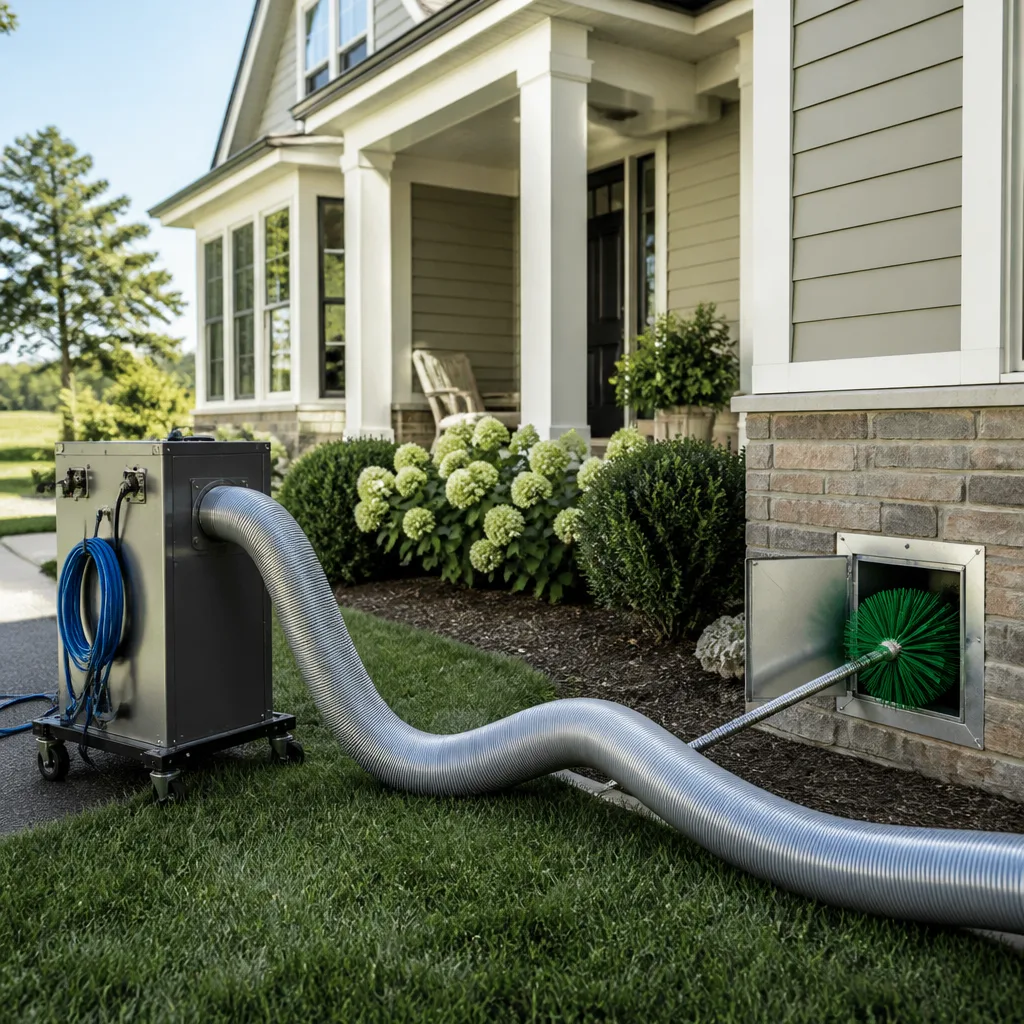 Whole-home duct cleaning
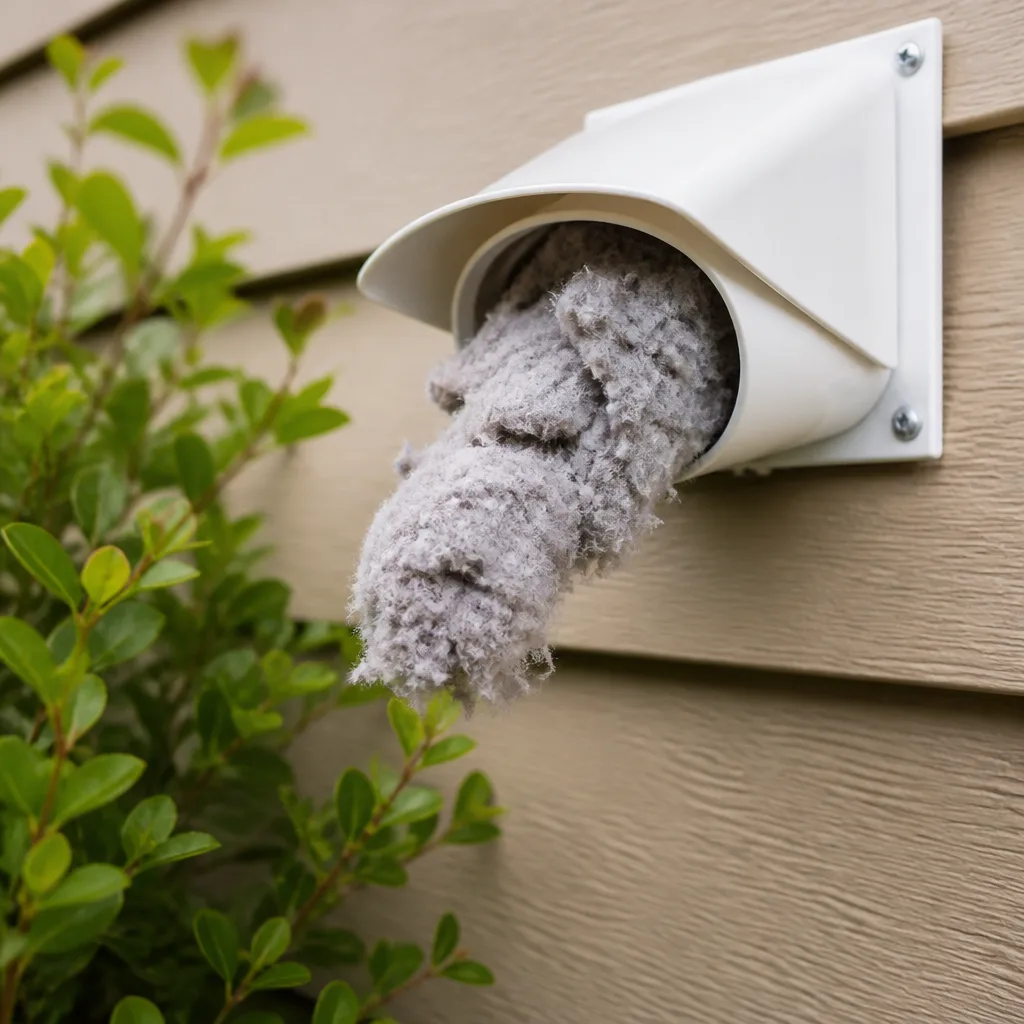 Dryer vent cleaning
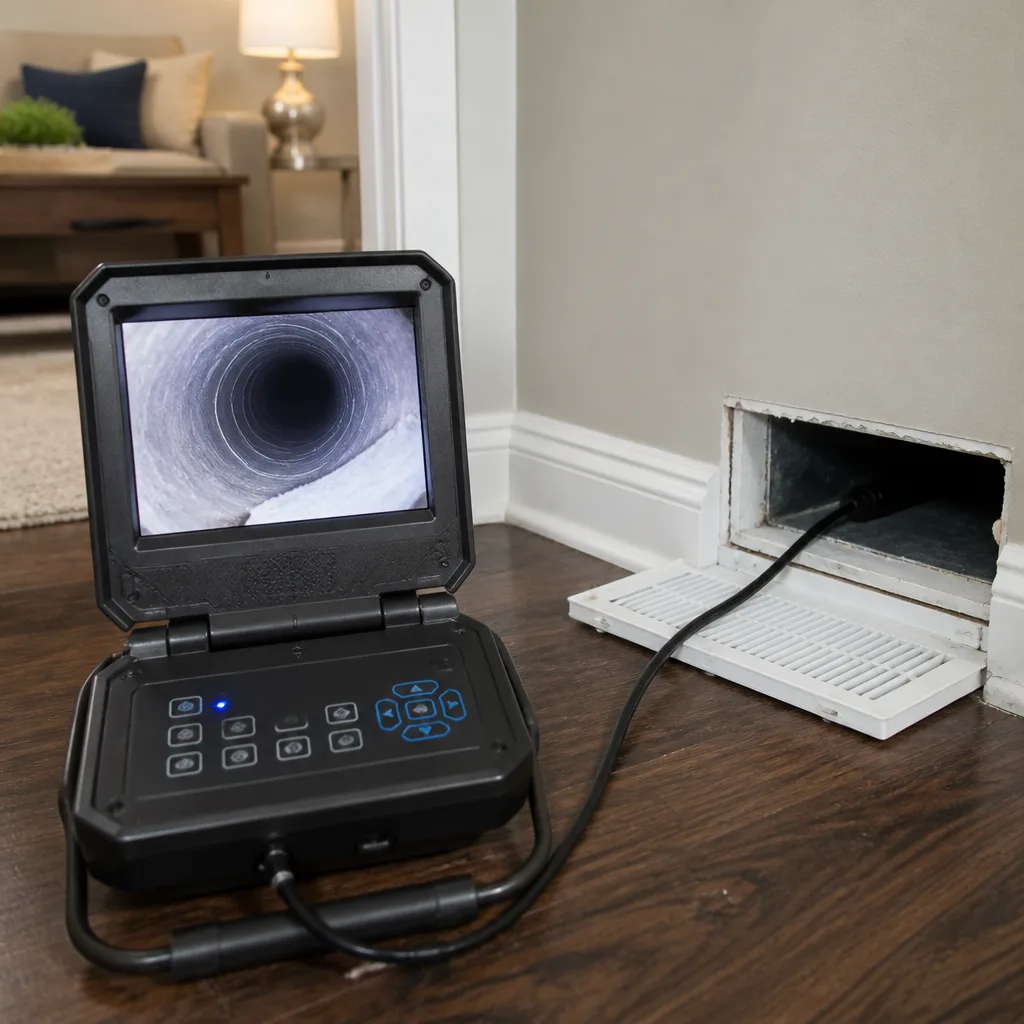 Camera inspection
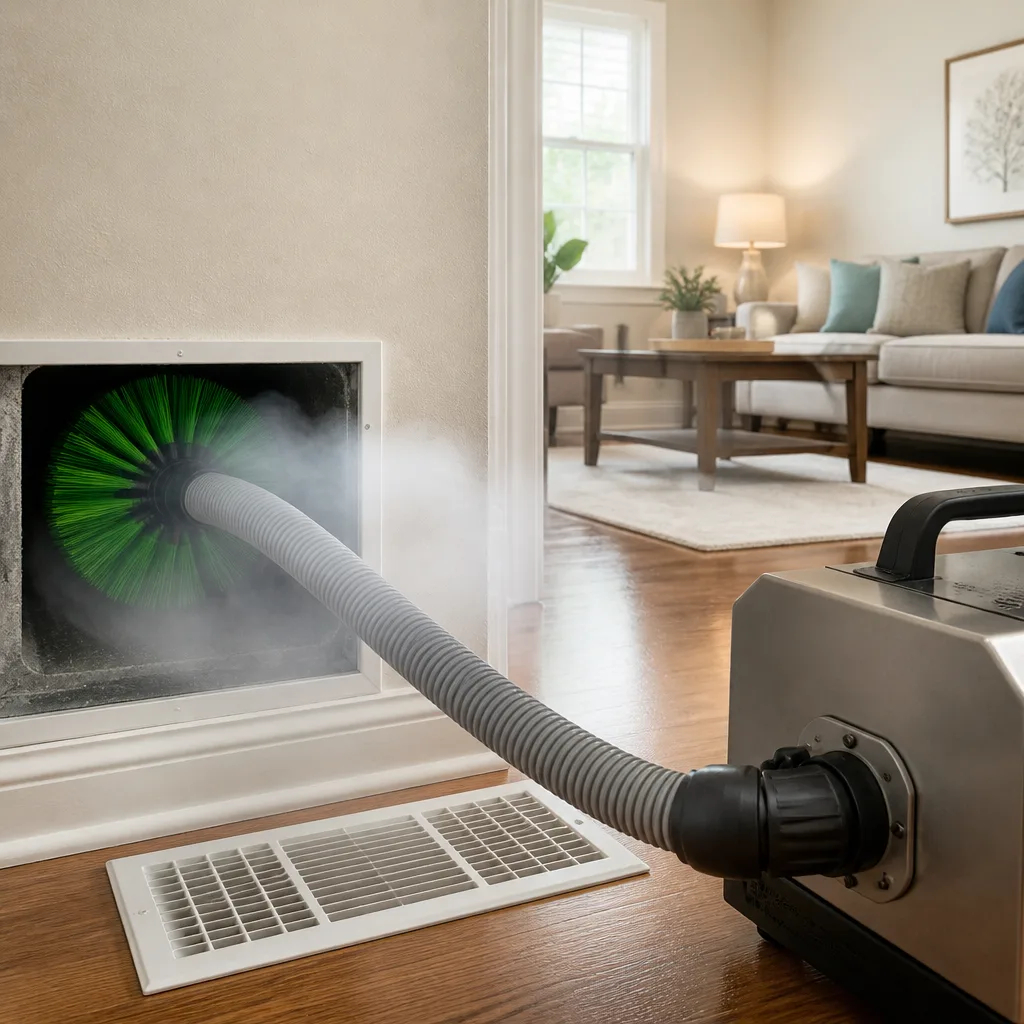 Sanitizing & deodorizing
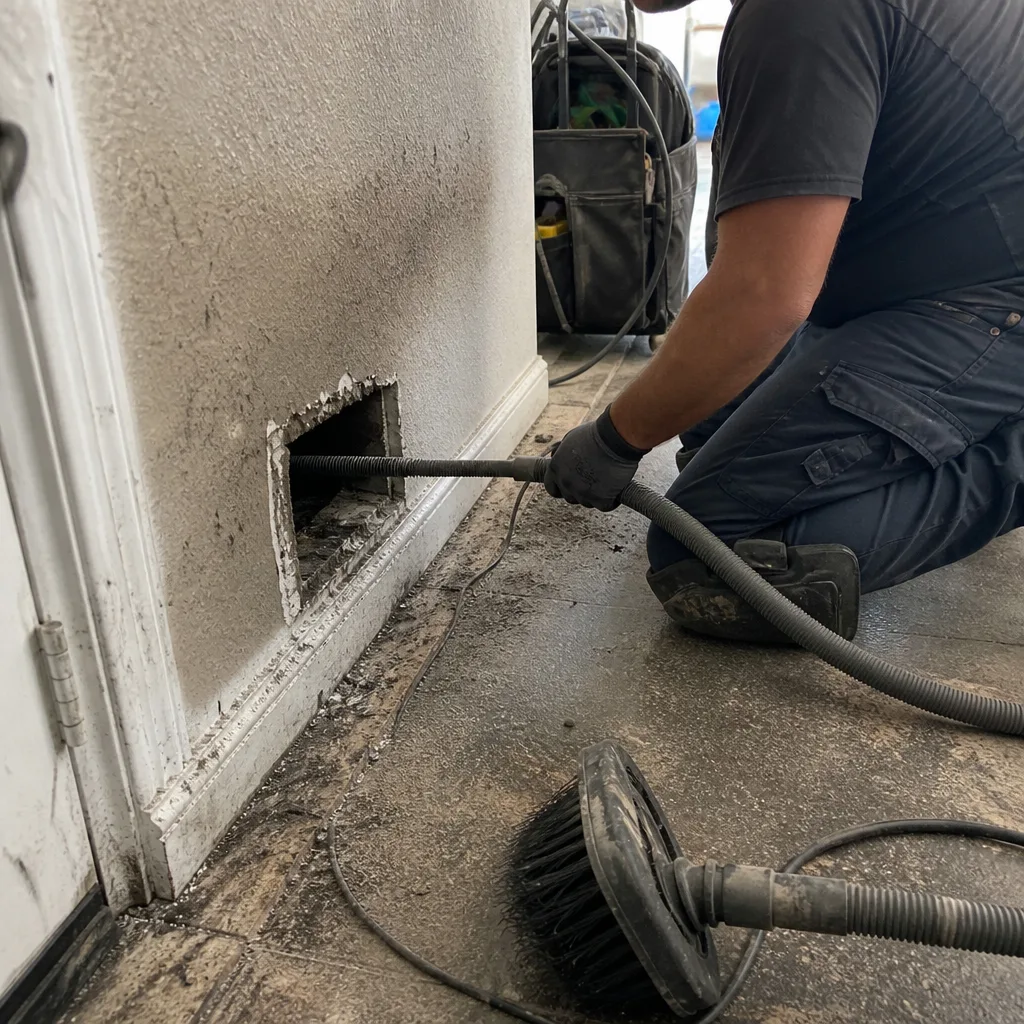
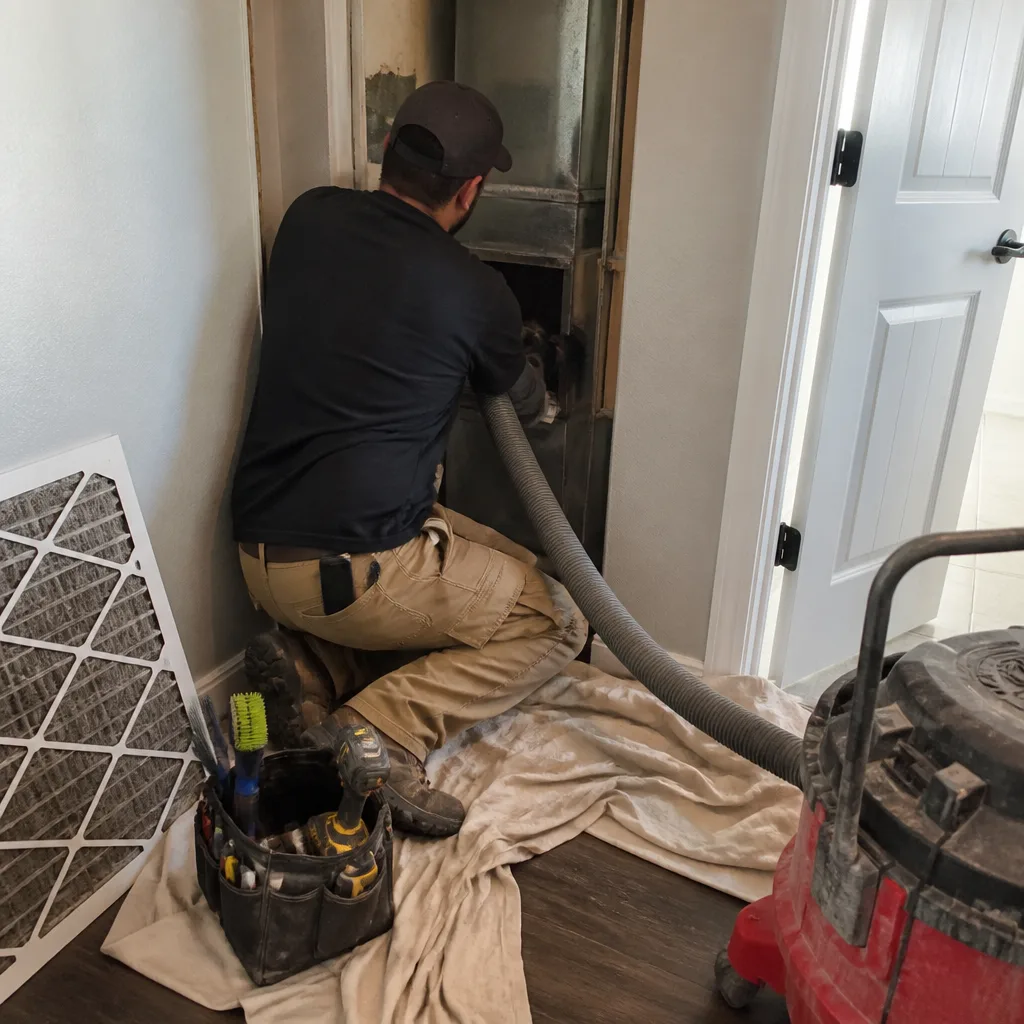
Whole-system duct and dryer vent check with before-and-after photos - you see exactly what came out of your vents
That "$99 whole-house special" is a bait ad - the real number appears once they are in your hallway, or the "clean" is a shop-vac at the register. We photograph the inside of your ducts before and after instead.
Seasonal Air Duct Cleaning Care for Rancho Cordova: Year-Round Homeowner’s Guide
Rancho Cordova doesn’t get the gentle, evenly spaced seasons that drive most generic duct-cleaning advice. What we actually live with is a five-month cooling hammer from May through September, a smoke season that can turn August skies orange, and a wet, debris-heavy transition from November into February. Each of those stretches puts a different kind of strain on your duct system, and the right response in June is not the right response in January. This guide walks you through what to check, when to act, and why the calendar in Rancho Cordova matters more than the one on a national website. We’ll cover inspection points, smoke-season judgment calls, fall cleaning economics, and the dryer vent risk that peaks when nobody is thinking about it. By the end, you’ll have a season-by-season maintenance plan built for this specific climate, not a template written for a house in Ohio.
Styles & brands we work with
- Whole-home duct cleaning
- Dryer vent cleaning
- Camera inspection
- Sanitizing & deodorizing
Quick Answer
Seasonal air duct care in Rancho Cordova means timing your cleaning and inspections around the climate’s actual stress points: a pre-summer inspection in April or May, an assessment after wildfire smoke events, and a primary cleaning window in October after the cooling season deposits five months of accumulated material in your ducts. Winter adds a dryer-vent-specific risk worth addressing, because lint accumulation peaks when dryer use climbs and homes stay buttoned up. Skip the national-seasonality advice and plan around heat, smoke, and rain instead.
Table of Contents
- Rancho Cordova’s Real Seasons: Why the Standard Calendar Fails Here
- Pre-Summer Inspection (April-May): What to Check Before the Cooling Hammer Drops
- Wildfire Smoke Season Response: Cleaning vs. Filter Replacement
- Post-Summer (October): Why Fall Is the Highest-Value Cleaning Window
- Winter Operation: How Heating Mode Moves Dust Differently
- Dryer Vent Seasonal Risk: Why Lint Accumulation Peaks in Winter
- What Actually Happens During a Professional Duct Cleaning
- Common Mistakes to Avoid
- When to Call a Professional
- Frequently Asked Questions
- The Bottom Line
Rancho Cordova’s Real Seasons: Why the Standard Calendar Fails Here
Most more guides & resources organize their advice around four seasons because that’s how the country’s editorial calendars work, not because it reflects how HVAC systems actually accumulate contamination in Sacramento County. Rancho Cordova has two dominant HVAC seasons, one chaotic transitional season, and one short but significant heating window. Here’s what the climate actually does to your ducts:
- Cooling season (May-September): 150-plus days of continuous AC operation. The blower runs for hours daily, pulling particulates through the return side and depositing them across the evaporator coil, plenum, and supply runs. Ducts that were marginally clean in April are measurably loaded by October.
- Wildfire smoke window (July-October, variable): Depending on fire activity in the Sierra foothills, Sacramento Valley, or coastal ranges, smoke can push AQI readings well past 150 for days at a time. Even with filtration, smoke particles settle into the duct system and linger.
- Wet transition (November-February): Rain brings moisture, and moisture interacts with whatever organic material is already sitting in ducts. Damp dust compacts, sticks to duct walls, and becomes harder to remove the longer it sits.
- Brief heating window (December-February): Gas furnaces run intermittently, but heating mode moves air differently, and the dust profile shifts toward the return side. More on that below.
The practical takeaway: if you apply a four-season national schedule to Rancho Cordova, you’ll be cleaning at the wrong time, inspecting at the wrong time, and potentially skipping an entire smoke-season assessment that a homeowner in Minnesota never has to think about. Your cleaning calendar should be built around the cooling hammer and the smoke window, not the solstices.
Pre-Summer Inspection (April-May): What to Check Before the Cooling Hammer Drops
Your AC system in Rancho Cordova is about to run harder and longer than almost any other residential system in the country. Unlike a furnace in a cold climate, which cycles on and off, a Sacramento-area air conditioner can run continuously from early afternoon until well past sunset on peak summer days. That means whatever is in your ducts in May gets baked, recirculated, and redistributed for five solid months.
April and early May are the right time to walk through a five-point inspection. You’re not necessarily booking Air Duct Cleaning services yet; you’re assessing what the system is carrying into the summer load.
- Pull a return air grille and look inside. The return side is where the system pulls air in, and it’s where the heaviest visible accumulation sits – dust, pet hair, and a fine gray film that settles on the metal. If you run a finger across the inside of the return duct and catch material, that’s a signal worth acting on.
- Inspect the supply registers for visible dust lines. Look at the register face and the wall or ceiling around it. Dark streaks around the supply diffuser mean the system has been pushing dirty air out, not just circulating it. The deposits are the visible half of what’s coating the inside of the runs.
- Check the filter. The actual filter, not the one you meant to change. A filter loaded with visible debris in May is doing less work than you think, and hot weather is coming. If the filter is gray and packed, the system has also been pulling particulates past it into the coil area. Replace it, and consider whether the ducts themselves are past due.
- Sniff the air when the blower first kicks on. A dusty, musty, or stale odor in the first few seconds of startup is a common early sign of significant duct deposition. It means settled material is being disturbed and pushed into the living space.
- Do a visual check around the air handler or furnace cabinet. If you have access to the coil side or blower compartment, take a look. A visible dust blanket on the coil or blower wheel means the system is losing efficiency and the ducts are carrying more than you want.
In our experience, callouts in April and May in Rancho Cordova tend to split into two groups: homeowners who want a pre-season cleaning so the system starts fresh, and property managers who wait until fall to avoid tenant disruption. Both approaches can work. What doesn’t work is skipping the inspection entirely and discovering a ten-pound dust load in August when the system is running at full tilt and smoke is rolling into the valley. For a deeper look at what a proper cleaning entails, see our guide to Air Duct Cleaning in Rancho Cordova.
Wildfire Smoke Season Response: Cleaning vs. Filter Replacement
Wildfire smoke in Rancho Cordova is not an occasional nuisance; it’s an annual air-quality event that can stretch for weeks. Smoke particles are fine enough to bypass most residential filters, especially fiberglass or low-MERV filters. The question every homeowner faces during and after a smoke event is: do I clean the ducts, or is a filter swap enough? Our Air Duct Cleaning Emergency Preparedness Guide for Rancho Cordova Homes can help you decide.
The short answer: if your system ran during an AQI event above 150 for more than a day or two, and you have a standard 1-inch filter, assume smoke infiltrated the ducts. Replace the filter immediately. Then assess whether the ducts themselves need attention based on what you observe.
Here’s the logic. Smoke particles range from roughly 0.4 to 0.7 microns. A typical MERV 8 filter captures only a fraction of that range. The particles that pass through the filter enter the supply side, and some portion settles in the duct interior. The smell of smoke can linger for weeks because those particles remain in the system, re-releasing odor compounds every time the blower runs.
- Replace the filter first. This is the immediate response, and it’s cheap. A fresh filter stops ongoing introduction of particulates into the coil and supply runs.
- Run the system and smell the supply air. After the outside air clears, turn the AC on and stand near a supply register. If you detect a smoke odor that persists beyond a day or two, it’s not just the filter; it’s deposition in the ductwork.
- Check the return side for gray or brown film. Smoke residue on return grilles is a strong indicator that material got pulled into the system. The same film exists inside the return ducts.
- Clean if the smell persists or if you see residue. A professional cleaning after a significant smoke event uses HEPA-level containment, with Abatement Technologies filtration gear, to capture dislodged smoke particulates rather than pushing them back into your living space. That containment standard matters here specifically because smoke particulate is exactly the material you don’t want redistributed through the home.
One more consideration: if you have a whole-home filtration system from Honeywell or Aprilaire, your ducts were better protected during the smoke event than the average home. High-efficiency media cabinets with MERV 11 or 13 filters catch a much larger share of smoke particulate. But even those systems can saturate quickly during a prolonged smoke stretch, and the ducts downstream can still accumulate what got through before you changed the filter. The relevant question isn’t “did smoke get in” – it’s “how much, and is it still releasing odor.”
Post-Summer (October): Why Fall Is the Highest-Value Cleaning Window
In most of the country, fall duct cleaning is pitched as “get ready for furnace season.” In Rancho Cordova, the logic is different and stronger: you’ve just finished a five-month run of heavy cooling, possibly alongside wildfire smoke. The ducts now carry the maximum annual load. Cleaning in October removes that load before it gets baked in again during the next cooling season or compacted by winter moisture.
Here’s what accumulates between May and October in a typical Rancho Cordova home:
- Fine dust and skin cells pulled through the return side during 150-plus days of continuous fan operation.
- Smoke particulate from wildfire events, concentrated in the supply runs and plenum.
- Pet dander and hair, which builds faster in the cooling season because animals shed heavily in heat.
- Evaporator coil shedding – condensation cycles leave the coil damp, and whatever lands on it stays. The coil becomes a collection surface, and the ducts downstream carry what breaks loose.
- Outdoor dust from the dry summer, which is finer and more pervasive in Sacramento County than in humid climates.
An October cleaning is also strategic because it prepares the system for the next phase: winter moisture. When rain arrives, whatever dust remains in the ducts absorbs ambient humidity. That damp, compacted layer is harder to remove later, and it can create the conditions for stale, musty smells when the furnace cycles in December. Cleaning in October removes the fuel before the moisture arrives. If your October walkthrough turns up torn flex runs, separated joints, or collapsed return sections, Air Duct Repair in Rancho Cordova is part of the same scope – the system can be cleaned and fixed in one visit rather than handed off to another contractor.
Winter Operation: How Heating Mode Moves Dust Differently
Heating mode changes the airflow pattern in your duct system, and that change affects where dust accumulates. Understanding this is useful because it explains why a house cleaned in October can show a specific kind of buildup by February, and why that buildup isn’t necessarily a reason to clean again immediately.
In cooling mode, air is pushed through the supply runs at high velocity, and the return side pulls air back through the home’s living spaces. The supply side stays relatively clean because air is always moving outward, but the return side collects material because that’s the path everything in your home travels. In heating mode, the furnace blower runs at lower average speeds (unless you have a variable-speed system, which is less common in older Rancho Cordova homes), and the temperature differential changes condensation behavior.
What you’ll typically see in winter:
- Return-side dust collection increases. The return ducts become the primary collection surface in heating mode, especially on the lower return runs closest to the furnace. The air moves slower, allowing more particulate to drop out of suspension.
- Static electricity increases in dry winter air. Dust particles gain charge and stick more readily to metal duct surfaces, particularly in the return plenum.
- The supply side cools between cycles. Dust that was warm and suspended during operation settles when the system cycles off, creating a thin layer at the bottom of supply runs.
- Furnace filter loading changes. Heating systems pull air from different return paths than cooling systems in many homes, so you may see faster filter loading in winter even with no visible change in household dust levels.
The practical response: monitor your return grilles and filter in late winter. If you cleaned in October and see moderate dust on the return side by February, that’s expected, not a failure of the cleaning. What you’re looking for is whether the accumulation is heavy enough to warrant action before the spring transition. Homes with whole-house filtration from Honeywell or Aprilaire tend to manage winter dust better than homes with standard 1-inch filters, because the media captures more of what would otherwise settle in the return runs. But the deposition pattern remains: heating season loads the return side first.
Dryer Vent Seasonal Risk: Why Lint Accumulation Peaks in Winter
Dryer vent cleaning has a different seasonal rhythm than duct cleaning, and it matters more in winter. The risk isn’t airflow efficiency; it’s fire. Dryer lint is one of the most flammable materials in a residential setting, and the vent system that carries it away becomes a fire hazard when accumulation reaches a critical level inside the exhaust path.
Here’s the Rancho Cordova-specific pattern: winter is when dryer use peaks. Heavier clothing, thicker fabrics, more loads per week, and homes closed up against the cold. The dryer runs longer per cycle, producing more lint per cycle, and that lint deposits along the vent run. By February, a vent that was marginal in October can be packed. The National Fire Protection Association has documented dryer vent failures as a leading cause of residential dryer fires, and the accumulation rate in winter is a direct contributor.
This matters for seasonal planning because most homeowners think about the dryer vent only when drying time increases noticeably. But by the time a load takes twice as long, the vent is already heavily restricted. Better to schedule Dryer Vent Cleaning in Rancho Cordova on a calendar basis, with winter in mind as the high-risk window. If you cleaned the vent in October as part of your fall maintenance, you entered the peak season clean. If you didn’t, February is the month to check. Dryer vent cleaning is not an airflow convenience; it’s a fire-prevention measure that deserves its own place on the seasonal calendar. In our team’s work, the worst-built vents we see are in older Rancho Cordova homes where the dryer exhaust was originally routed as an afterthought, with long flex runs and sharp bends that trap lint at predictable locations.
What Actually Happens During a Professional Duct Cleaning
If you’ve never had your ducts cleaned, or if your last experience involved someone waving a brush at a register, it’s worth knowing what the process looks like when it’s done with professional-grade equipment. The difference is visible, and it matters for what you’re paying for.
Here’s the sequence, step by step:
- System inspection. Before any equipment runs, we assess the duct layout, identify accessible points, and check the condition of the runs. If there are disconnected sections, crushed flex, or damaged boots, those need repair before cleaning makes sense.
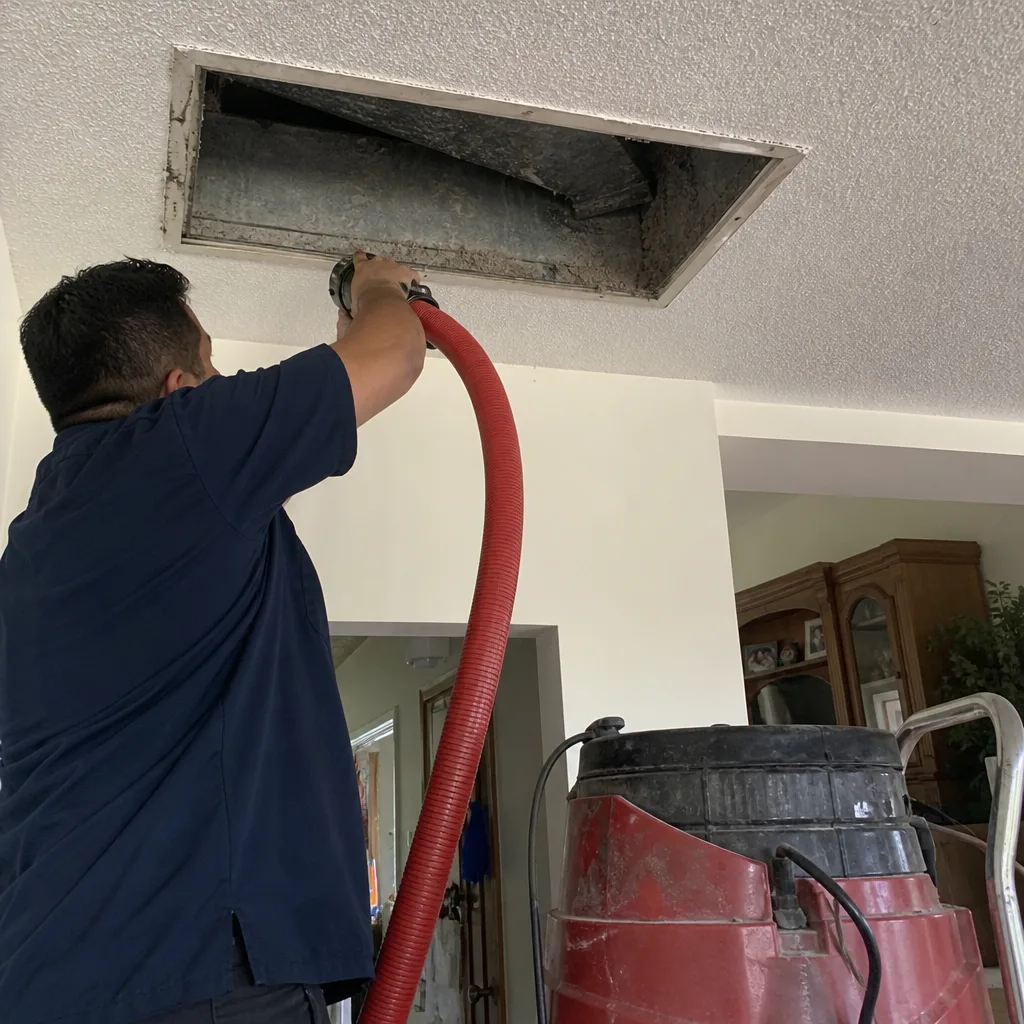
- Containment setup. This is the step that separates professional work from improvised cleaning. Abatement Technologies HEPA-filtered negative air equipment is placed at the system to maintain continuous air capture. As brushes and air tools dislodge material, the negative air system captures it rather than letting it blow into the living space. This is the containment standard borrowed from environmental remediation, and it’s why the work doesn’t create a dust cloud in your home.
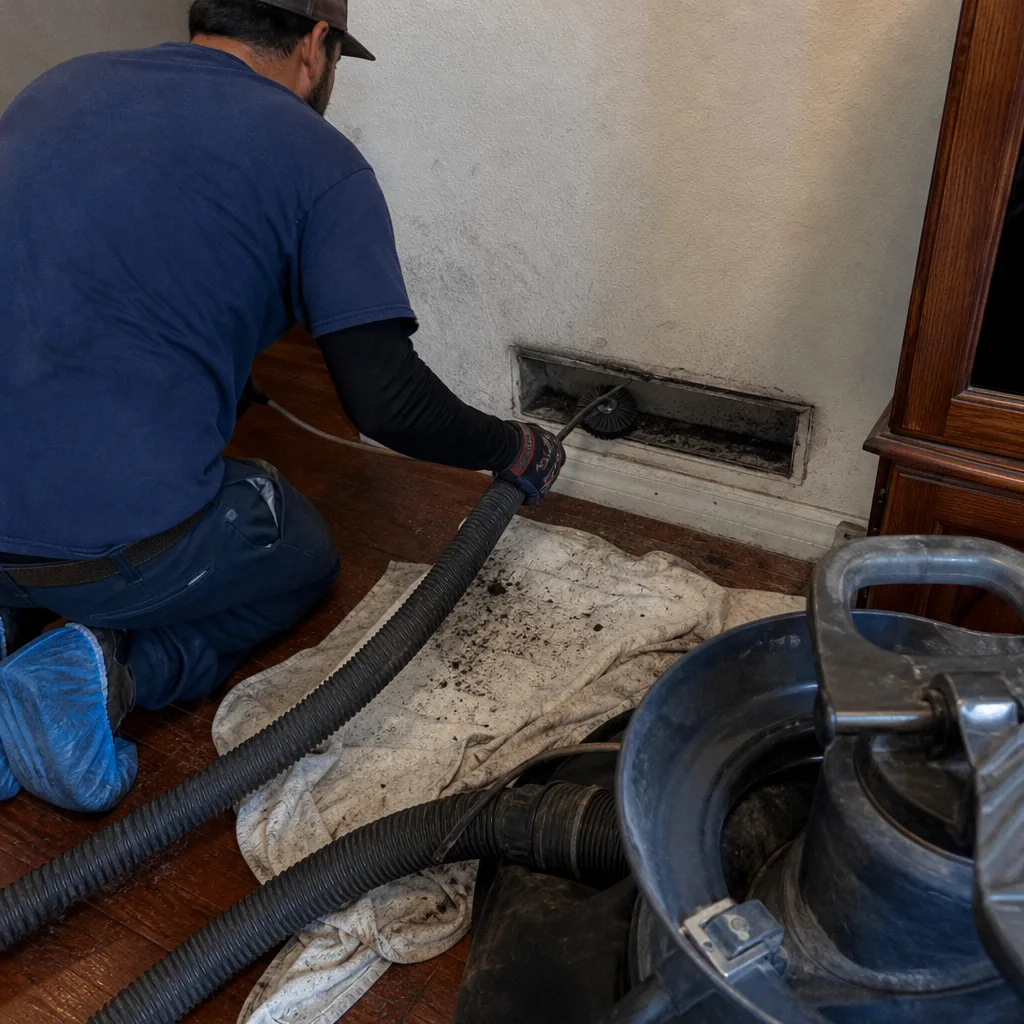
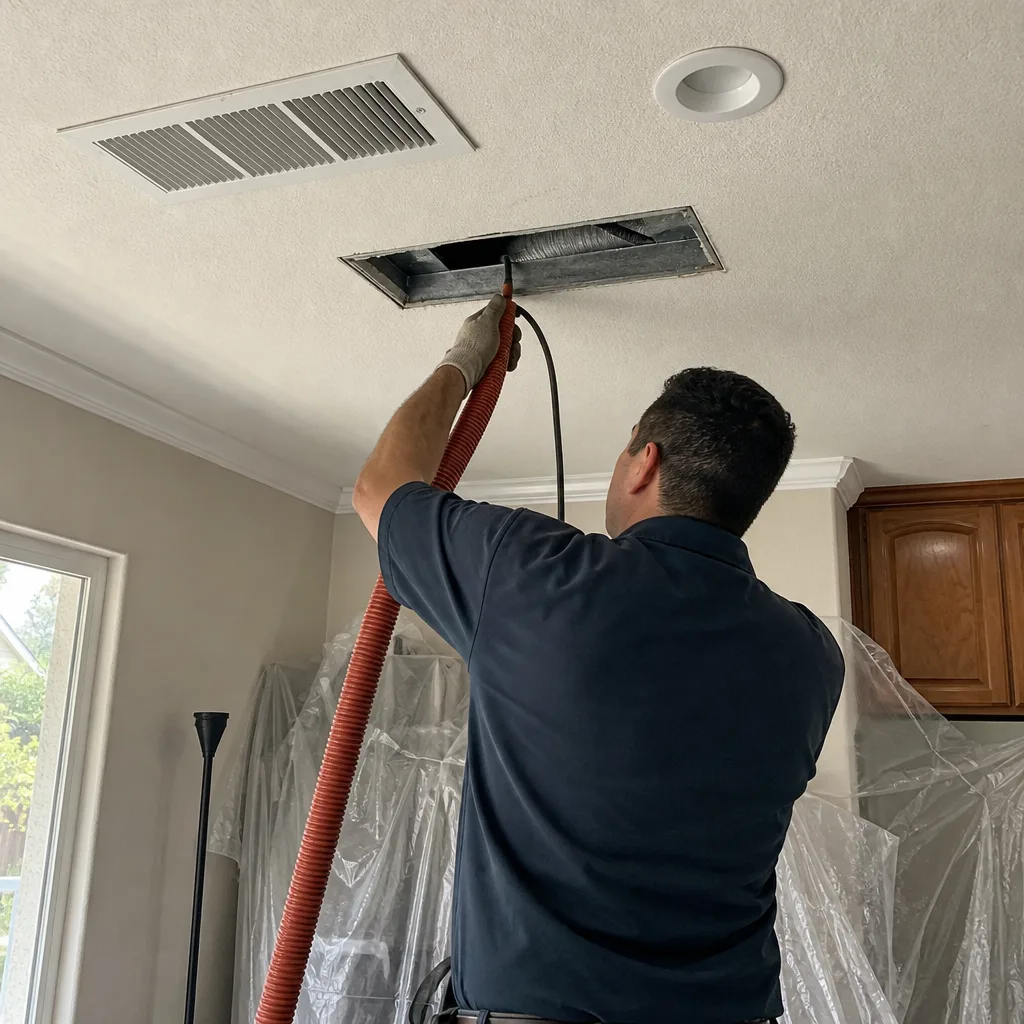
- Agitation and extraction. Rotobrush and Nikro systems are designed for duct cleaning, with rotating brush heads sized to the duct dimensions and high-power extraction that pulls dislodged material out of the system as the brush works. These aren’t repurposed shop vacuums; they’re purpose-built platforms designed to reach the full length of the run and pull material back to the collection point.
- Supply and return runs, in sequence. Each branch is cleaned from the register back toward the trunk, then the trunk lines, then the plenum and return drop. The sequence matters because cleaning the wrong side first can push material into areas you haven’t addressed yet.
- Register and grille care. Surface plates are cleaned and reinstalled, with Guardsman-grade protective products used on finished surfaces as needed. The goal is to leave the home in the same condition it was found, with cleaner air moving through it.
- Post-cleaning verification. After the system runs for a few minutes, you should be able to stand at a supply register and feel clean, odor-neutral air moving. The difference is usually immediate, particularly in homes that haven’t been cleaned in years.
For homeowners with a Honeywell or Aprilaire whole-home filtration setup, the cleaning process integrates with that equipment rather than working around it. The filtration system and the ducts are part of the same air path; cleaning the ducts while your media cabinet is clogged defeats the purpose.
Common Mistakes to Avoid
- Cleaning in July instead of October. Mid-summer cleanings happen, usually when someone finally notices the dust. But cleaning in July means starting the peak season clean and ending it dirty, then carrying that load through winter. October is the higher-value window in this climate.
- Treating a smoke event like a filter-only problem. Replacing the filter after a bad AQI stretch is necessary but often insufficient. Smoke odor that persists after a filter swap is coming from duct deposition, not the filter media.
- Assuming heating season cleans the ducts. Heating mode redistributes dust; it doesn’t remove it. The return side actually loads faster in winter, even if the supply side looks the same.
- Ignoring the dryer vent because the dryer still works. A dryer vent can be dangerously restricted and still dry clothes, just slowly. The fire risk exists before the performance symptom becomes obvious. Winter is the highest-risk window in Rancho Cordova.
- Using the wrong filter and expecting it to protect the ducts. High-MERV filters help, but they don’t make ducts self-cleaning. And a high-MERV filter in a system not designed for it can cause its own airflow problems. The filter is a first line, not a replacement for periodic cleaning.
- Comparing quotes by lowest price alone. The cheap duct-cleaning coupon often means a technician with a rotary brush attached to a consumer vacuum, no containment, and a rushed pass through the system. You’re paying for a visible result, and the difference between no-containment and HEPA-level containment is significant. Know what equipment will be used before you book.
When to Call a Professional
Some maintenance tasks are DIY-reasonable; duct cleaning is not one of them, for a simple reason: the material being removed is inside a closed system you can’t access. You can replace a filter, wipe a register, and observe signs of buildup, but you cannot clean the internal surface of a 30-foot supply run without the right equipment. More practically, call when any of these apply: a smoke event left a persistent odor; you can see dust on the return grille interior; supply registers show dark streaking; the coil or blower cabinet is visibly coated; or your dryer takes noticeably longer to dry a load than it used to. Call Duct Cleaning Rancho Cordova at (877) 752-4148 for a free estimate in Rancho Cordova. We can tell you what’s in the system and what it’ll take to get it clean.
Frequently Asked Questions
Whole-system duct cleaning in Rancho Cordova typically costs between $450 and $900 for a standard single-family home, depending on the number of systems, the home’s square footage, and the extent of the buildup. Smaller homes and single systems trend toward the lower end; two-story homes with multiple returns and long runs trend toward the top. Prices vary by condition and accessibility, not by a per-vent rate that gets multiplied at the end. Call us at (877) 752-4148 for an exact quote. Estimates are free.
Cheaper quotes almost always mean a different service: a technician with a consumer vacuum, no containment, and a quick pass through the visible portions of the system, or a coupon designed as a trip charge with the real cost added on site. We set one flat price per system before work starts, using Rotobrush and Nikro cleaning platforms and Abatement Technologies containment. You’re paying for the equipment in the truck and the result in the ducts, not a teaser number.
Ask for before-and-after photos of the duct interior. A professional cleaning should produce visible evidence: the inside of the supply runs, the return drop, and the plenum should look different after the work than before. We document the system during inspection and again after extraction, and we walk you through what we found and what we removed. If a company can’t or won’t show you the result, that’s an answer in itself.
Every 3 to 5 years for a typical home, but with a climate-driven adjustment. A home with pets, smokers, or a smoke-heavy wildfire season may need attention more often. A home with a high-MERV whole-house filter on a Honeywell or Aprilaire system may stretch further. The realistic trigger in Rancho Cordova is the cooling season: if your last cleaning was before a smoke event or before a heavy summer, you may be on the 3-year end of the range.
Duct cleaning removes settled particulate that acts as a reservoir and periodically re-releases into the living space, but it’s not a substitute for filtration. The best air-quality result pairs clean ducts with a proper filter and, for serious allergy needs, a whole-home media system. If you have respiratory concerns, our team integrates duct cleaning with your existing Honeywell or Aprilaire setup rather than treating the ducts in isolation.
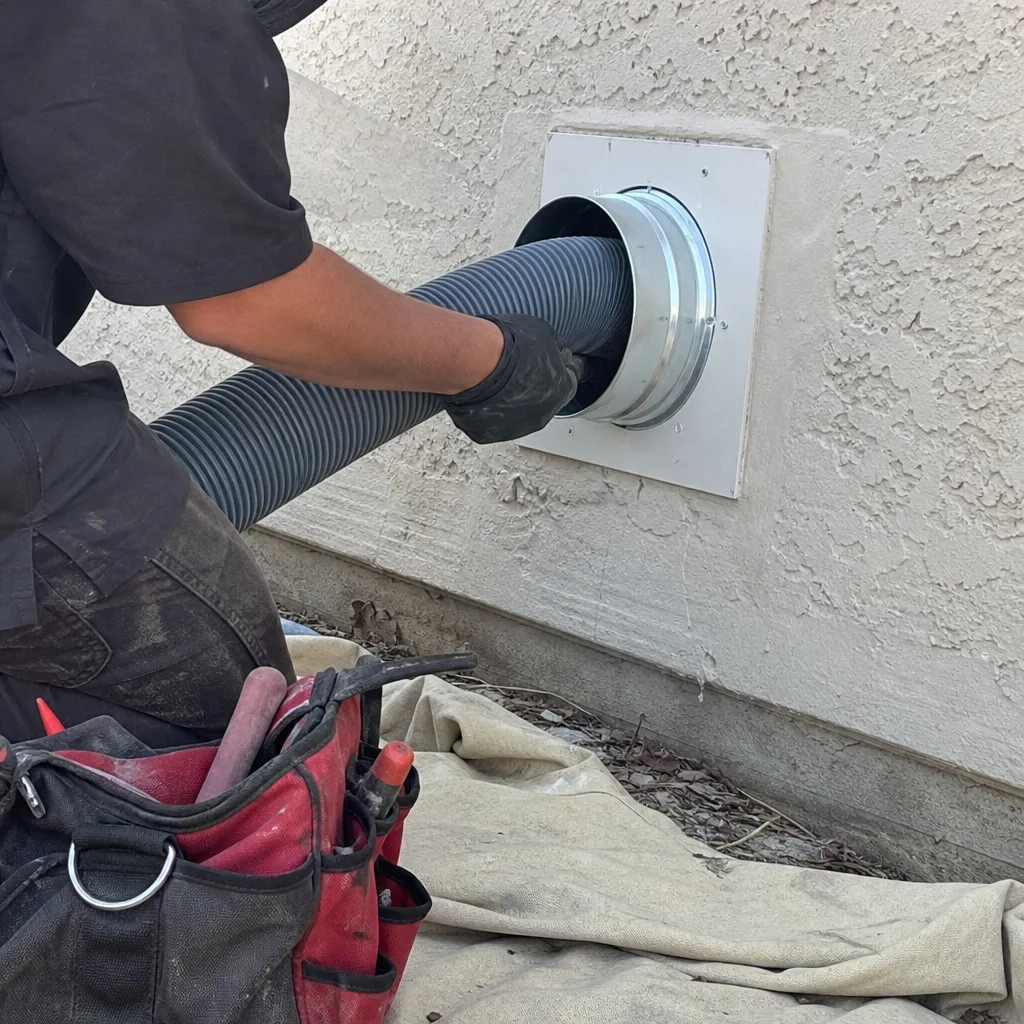
Yes. The dryer vent is a dedicated exhaust path from the dryer to the exterior, not part of the HVAC duct system. It’s cleaned with different tools and for a different primary reason: fire prevention. Lint accumulation is combustible, and the highest-risk months in Rancho Cordova are winter, when dryer use peaks and homes are closed up. We perform Dryer Vent Cleaning in Rancho Cordova as its own focused service, not as an add-on.
The Bottom Line
Seasonal duct care in Rancho Cordova isn’t complicated, but it is specific: inspect in April or May before the cooling cycle starts, assess after any significant wildfire smoke event, and do your primary cleaning in October when the system carries its maximum annual load. Watch the return side in winter for heating-mode buildup, and treat the dryer vent as a fire-prevention priority during the months when dryer use peaks. If you follow that rhythm, you’re not guessing; you’re matching the work to the actual stress pattern of this climate. Start with a call to us at (877) 752-4148 – we’ll tell you what your system looks like and what it needs.
Written by the team at Duct Cleaning Rancho Cordova, serving Rancho Cordova since 2013.
See the difference
 Before
 After
 Before
 After
 Before
 After